Reactor melt pumps serve as core conveying equipment in high-temperature, high-viscosity melt processing industries such as chemicals, resins, and synthetic fibers. Through targeted structural design and performance optimization, they demonstrate significant application advantages under demanding operating conditions. Key features include:
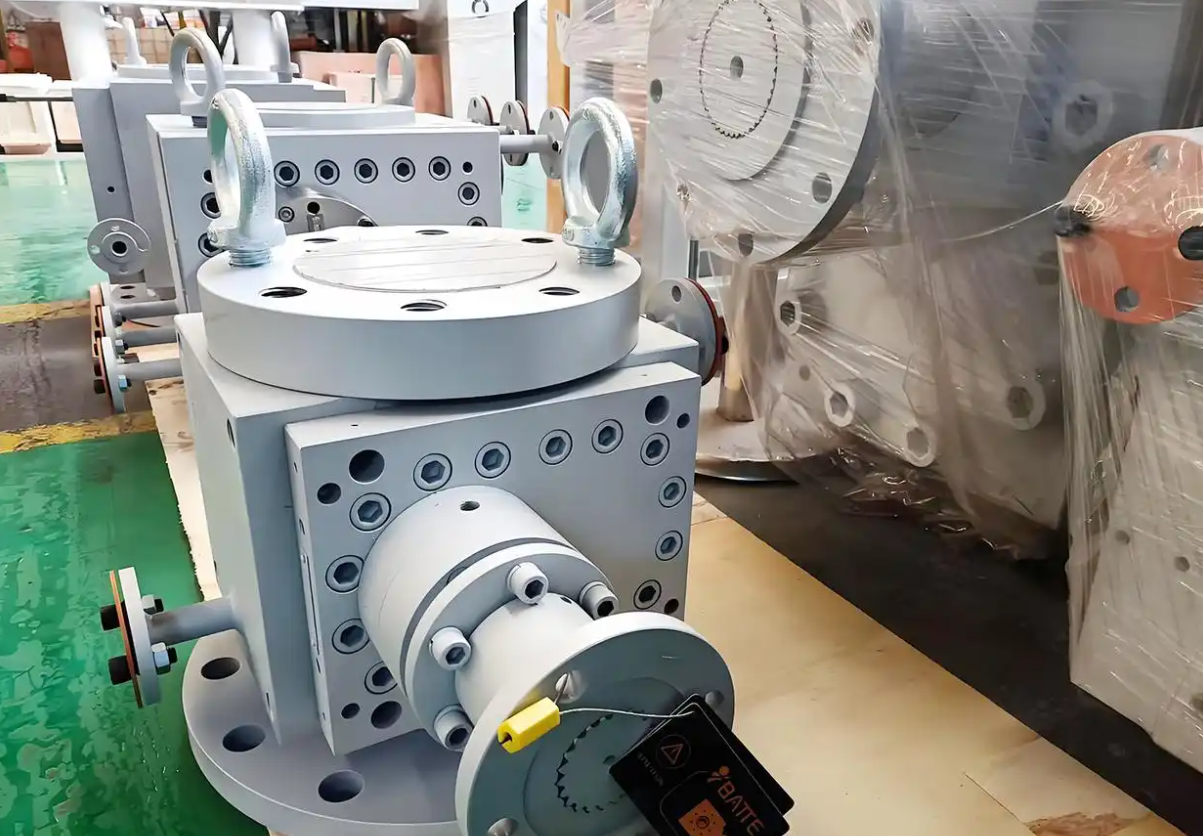
1. Exceptional Adaptability to Harsh Conditions, Suited for Complex Media Transfer
Specifically engineered for the reactive transfer of high-temperature, high-viscosity polymer melts, this equipment reliably handles high-output pressure process demands, resolves challenges in transporting specialized media, and ensures continuous, stable production flows.
It offers high flexibility in material selection: the pump body can be made of stainless steel, alloy steel, or corrosion-resistant alloys, while gears can be paired with wear-resistant and corrosion-resistant materials like nitrided steel or tool steel. Custom solutions can be tailored to different medium properties, corrosive environments, and temperature conditions, accommodating diverse production needs.
II. High-Efficiency Energy-Saving Operation with Precise Flow Control
The reactor melt pump exhibits outstanding self-priming capability, enabling stable polymer material transfer and pressurization under vacuum reaction conditions without additional auxiliary equipment. This satisfies specialized process requirements such as vacuum devolatilization.
As a positive displacement forced-feed pump, its flow output exhibits near-linear correlation with rotational speed. Flow can be precisely regulated by adjusting pump speed. When paired with a variable frequency drive system, stepless flow adjustment is achievable, enhancing process flexibility and controllability while boosting production efficiency.
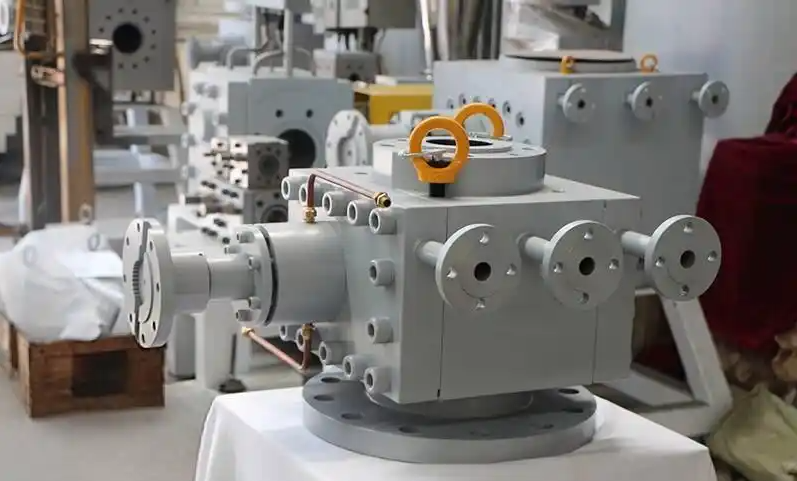
III. High-Reliability Design for Reduced Operational Costs
The equipment features a multi-layered sealing structure, including dynamic melt seals + packing seals and high-temperature-resistant packing seals. This effectively prevents high-temperature melt leakage, ensuring safe and reliable operation under high-pressure and high-temperature conditions.
The overall structure is simple and compact, with core components manufactured to high precision. Combined with premium wear-resistant and corrosion-resistant materials, this significantly extends equipment lifespan, reduces maintenance downtime frequency, and lowers enterprise operational costs.
IV. Superior Technical Parameters for Extensive Application Scenarios
The equipment's technical parameters cover a broad range: it can convey media with viscosities from 1 to 40,000 Pa·s, accommodates inlet pressures from vacuum to 4 MPa, and delivers maximum outlet pressures up to 35 MPa, meeting diverse melt transportation demands under varying pressure conditions. With an upper operating temperature limit of 350°C, it adapts to most high-temperature melt processing applications, demonstrating exceptional compatibility across diverse operating conditions.
Email: sale@meltpump.com
WhatsApp: +86 158 3833 1071
pre:What is the primary purpose of a melt pump?
next: Analysis of the Application of Dual-Column Screen Changers in Film Extrusion Production Line


 TEL:+86 371 67991755
 WhatsApp: +86 158 38331071
 Adress: No.22 Dongqing Str., High & New Technology Development Zone, Zhengzhou, China.
